
How to Choose a Solar Mounting System for Your PV Project
A practical walkthrough of the project conditions that decide which mounting system fits: roof or ground type, module size, layout, and wind and snow load.
- 1Site conditions—roof interface or ground soil—must dictate structural selection before quotation.
- 2Module dimensions and row layouts determine rail length, splice count, and clamp spacing.
- 3Local wind and snow load parameters determine whether standard or heavy-duty profiles are required.
- 4Complete BOM verification prevents site delays and accessory compatibility issues during installation.
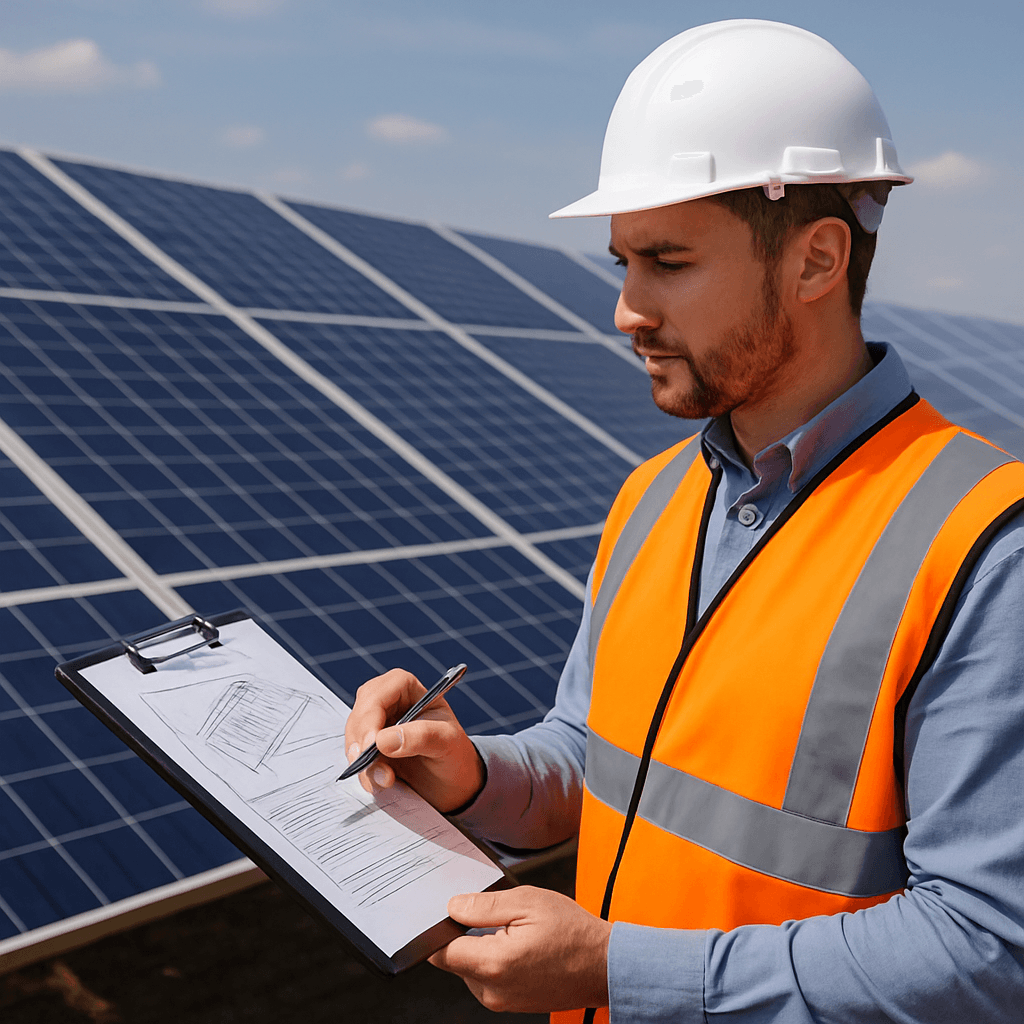
Starting With the Site Interface
Sourcing roof solar mounting systems or ground solar mounting systems requires moving beyond generic product names. The structural performance and long-term reliability of a solar installation depend heavily on how well the mounting hardware adapts to the physical site interface.
Roof vs. Ground Mounting System Selection
When evaluating rooftop mounting systems, buyers must identify whether the building features trapezoidal sheet metal, standing seam metal roofs, ceramic tiles, or flat concrete. Each roof type requires a dedicated mounting interface—from non-penetrating seam clamps to heavy-duty L-feet and EPDM-sealed hanger bolts.
| Mounting Type | Primary Interface | Key Material Grade | Typical Application |
|---|---|---|---|
| Tile Roof | Stainless Steel / Aluminum Hooks | SUS304 / AL6005-T5 | Residential & Light C&I |
| Metal Roof (Seam) | Non-Penetrating Standing Seam Clamps | AL6005-T5 Anodized | Commercial Industrial Rooftops |
| Flat Roof | Ballasted or Concrete Anchor Racking | AL6005-T5 / Hot-Dip Galvanized | Commercial Flat Concrete Roofs |
| Ground Mount | Pile Driven or Ground Screw Foundations | Q235B / Q355B Galvanized Steel | Utility & C&I Solar Farms |
Module Dimensions and Array Layout
Modern solar modules continue to increase in size and wattage. Larger module frames (e.g. 2278mm x 1134mm) experience higher wind uplift forces and require careful rail span calculations. Buyers must confirm that mid clamps, end clamps, and mounting rails are sized for the exact frame height (30mm, 35mm, or 40mm).
- Confirm module frame thickness (30mm vs 35mm vs 40mm) for clamp selection.
- Check portrait vs landscape orientation to optimize rail quantity and splice requirements.
- Verify clamp torque ratings and grounding clip integration for electrical safety.
Verifying Complete Accessory BOM Scope
A complete solar mounting system includes more than main rails and legs. High-quality solar mounting accessories—including splice kits, grounding lugs, EPDM rubber washers, and cable management clips—ensure seamless site assembly and long-term corrosion resistance.
What information is needed to get an accurate solar mounting quote?
Provide module dimensions and quantity, site roof type or soil condition, array layout (portrait/landscape), tilt angle, and local wind speed / snow load parameters.
Why is material selection critical for solar mounting structures?
Corrosion resistance determines system lifespan. Anodized aluminum AL6005-T5 and stainless steel SUS304 suit rooftop environments, while hot-dip galvanized steel (Q235B/Q355B) provides maximum structural load capacity for ground farms.
XINVOK Technical Team shares practical knowledge about PV mounting systems, roof interfaces, ground foundations, accessories, and engineering specifications for B2B buyers worldwide.
Sourcing Solar Mounting Systems for Your Project?
Need engineering support, drawing review, or customized BOM quotation? Contact XINVOK for project coordination.